Total Knee Arthroplasty
Replacement of the damaged knee joint with a metal and polyethylene prosthesis
Overview
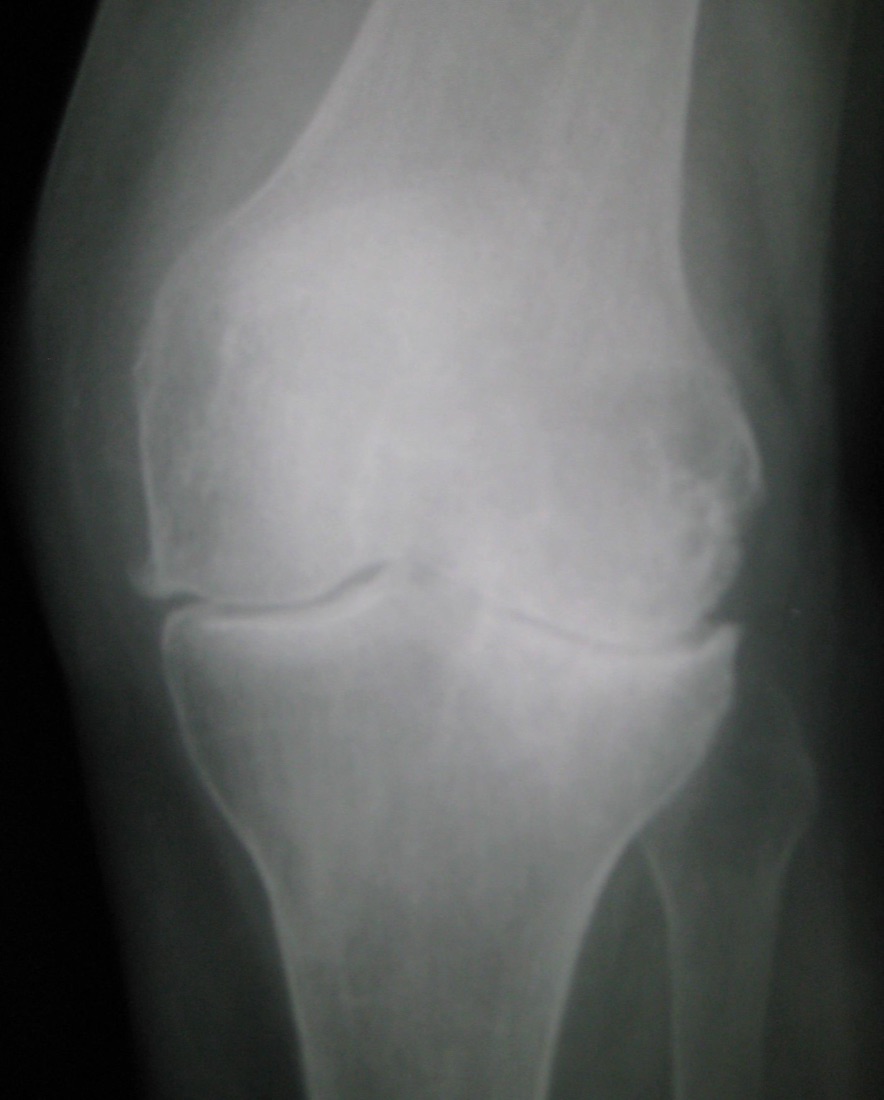
Total knee replacement (arthroplasty) is an operation in which damaged cartilage and bone are removed and replaced with an artificial joint made of metal and specialised plastic. The aims are to relieve pain, restore range of motion and improve quality of life. The prosthesis has three basic components: the femoral (thigh bone) component, the tibial (shin bone) component and the insert — the plastic bearing placed between them.
Features of a Modern Prosthesis
- Long lasting: more than 90% are still functioning without problems 15–20 years later
- Biocompatible: titanium, cobalt-chrome and medical-grade polyethylene
- Individually sized: matched to the anatomy of your knee
- Short recovery: most patients return to daily activity within 4–6 weeks
Who is a Candidate?
Total knee replacement is considered for patients with pain and restricted movement from advanced joint damage who have not gained sufficient benefit from non-operative treatments such as medication, physiotherapy and injections. Pain, not age, is the deciding factor. Most patients are between 50 and 80, but there is no strict age or weight limit. The decision is based on the impact on your quality of life.
Main Indications
- Advanced osteoarthritis (the most common indication) or arthritis secondary to deformity
- Rheumatoid arthritis and other inflammatory (rheumatological) joint diseases
- Post-traumatic arthritis (joint damage following previous injury)
Symptoms to Consider
- Persistent knee pain during the day and even at rest
- Difficulty walking, climbing stairs and rising from a seated position
- Swelling that does not settle despite medication and physiotherapy
- Visible deformity of the knee (bowing inwards or outwards)
Surgery & First 3 Weeks
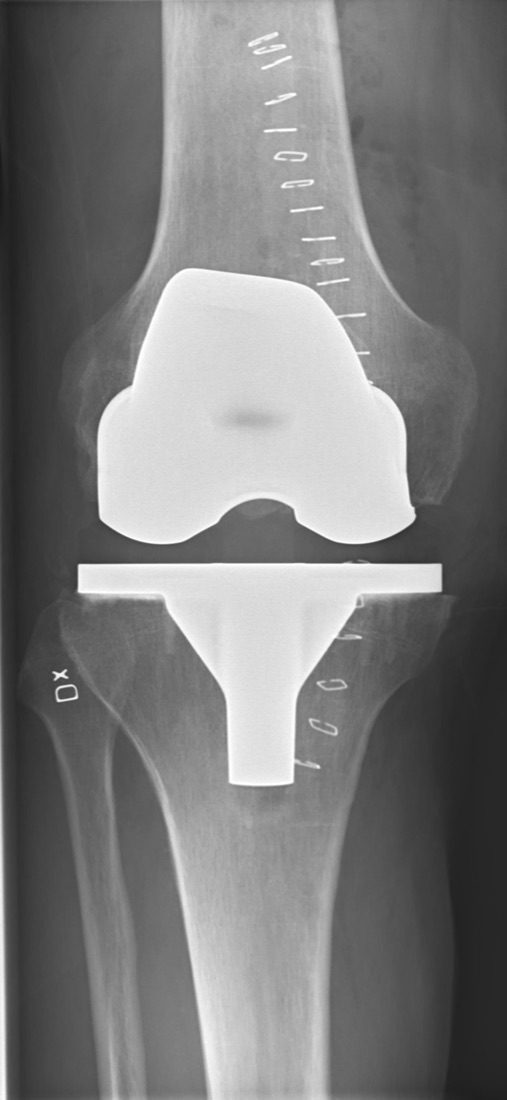
Total knee replacement typically takes 60–90 minutes. Damaged cartilage and bone are removed to precise measurements, the surfaces on which the prosthesis will sit are prepared with specialised guides, and the metal and polyethylene components are implanted.
The Operation
- Anaesthesia: spinal/epidural or general anaesthesia is used; the choice is made together with the anaesthetist
- Incision: an incision of 10–12 cm on average is made over the front of the knee. The kneecap is moved to one side to expose the joint surface
- Surface preparation: damaged cartilage and bone are removed to precise measurements and the surfaces on which the prosthesis will sit are shaped with specialised guides
- Implantation: the femoral and tibial metal components are inserted with a polyethylene bearing between them. Joint balance and range of motion are tested
- Duration: 60–90 minutes
Hospital Stay and First Mobilisation
For most patients a hospital stay of 2–3 nights is sufficient. Within the first 24 hours you are helped to stand and take a few steps with the physiotherapist. Exercises are demonstrated and performed with the physiotherapist's assistance.
Discharge Information
Patients are usually discharged after two nights in hospital. On the day after surgery you are mobilised with the physiotherapist and begin walking with a frame. On the first day the physiotherapist teaches closed-chain lower limb exercises and quadriceps and hamstring strengthening; it is important to perform these 3–4 times a day.
Ice over a towel for 15 minutes five times a day is recommended after discharge. The medication prescribed includes an anticoagulant, which must be taken for 3 weeks. Compression stockings must be worn on the operated leg for 3 weeks and on the other leg for 1 week.
Early Postoperative Period (First 3 Weeks)
Weekly review is recommended, at which your exercises are checked, your dressings changed and your medication prescribed. It is important to wear your compression stockings and take your anticoagulant during these first 3 weeks.
- Wound monitoring: discharge, marked redness and increased warmth are monitored for signs of infection
- Range of motion: being able to straighten the knee fully and an increase in flexion each week are important
- Pain: a steady reduction in pain is normal and shows that the soft tissues around the knee are adapting to the prosthesis and to movement
- Deep vein thrombosis (clot): uncommon after surgery but significant if it occurs. Wearing your compression stockings and taking your anticoagulant regularly largely prevents it
Risks & Complications
Total knee replacement is one of the safest and most frequently performed major operations in modern orthopaedics; the rate of serious complications is below 2%. Nevertheless, it is important that you are aware of the possible risks.
Common (Under 2%)
- Superficial wound infection (usually treated with antibiotics)
- Deep vein thrombosis (clot) — largely prevented by prophylactic medication
- Postoperative bleeding and temporary bruising
Less Common
- Loosening of the prosthesis or wear over time
- Joint stiffness — largely prevented by intensive physiotherapy
- Nerve or vascular injury (very rare)
Contact Your Doctor Immediately If You Have
- Sudden increase in pain or swelling
- Fever above 38 °C
- Firm, one-sided swelling or redness of the leg, or shortness of breath
- Discharge or malodour from the wound
Rehabilitation
The keys to a successful recovery are regular physiotherapy performed as instructed, a balanced diet, stopping smoking and open communication with your healthcare team. Provided you follow your doctor's advice and adhere to the exercise programme, a 90% reduction in pain is achieved after surgery. The average lifespan of the prosthesis is 15–20 years.
Rehabilitation Timeline
- Days 1–7: Bed exercises; assisted standing and walking around the house
- Weeks 1–3: Short-distance walking with a frame or stick
- Weeks 3–6: Daily activities resume; driving begins
- Weeks 6–12: Low-intensity sport, swimming, cycling
- Months 3–6: Full strength and range of motion are regained. Gym work may begin
- One year and beyond: Long-term outcome; annual review
Return to Activity
- Short-distance walking: from 3 weeks
- Driving: from 3 weeks
- Short runs and light exercise: from 6 weeks
- Longer runs and weight training in the gym: from 3 months
Keys to a Successful Recovery
Regular physiotherapy, a balanced diet and open communication with your healthcare team are the foundations of success. Weight loss is recommended for patients with a high body mass index.
Avoiding high-impact sports (football, volleyball, basketball) in the long term prolongs the life of the prosthesis.
Is This Treatment Right for You?
Every patient's condition is different. After a detailed examination and imaging, the treatment plan that suits you best will be prepared.
Would you like more information about Total Knee Arthroplasty?
Book Appointment